


Linford Christie’s Puma contact lenses are remembered as one of the boldest ambush marketing stunts in Olympic history, a rebellious moment that blurred the line between sport, style, and sponsorship.
What to Know
- At the 1996 Atlanta Olympics, Linford Christie revealed contact lenses with the Puma logo, stealing attention before the men’s 100m.
- Reebok was the official Olympic sponsor, but Puma used Christie to stage a daring ambush marketing stunt.
- The stunt sparked controversy under Rule 40, the IOC’s strict marketing code that protects official sponsors.
- Though often called “banned,” the lenses weren’t outlawed for performance reasons — the issue was branding and exposure.
- The story remains a classic case of sportswear brands challenging the boundaries of visibility at the world’s biggest stage.
The Story Behind Linford Christie’s Puma Contact Lenses
The Atlanta Olympics became a battlefield for marketing visibility. Brands spent millions to secure sponsorship, with Reebok investing around $40 million for exclusivity in footwear and apparel. Meanwhile, Puma, a smaller player in the ’90s sneaker wars, looked for another way to make noise.
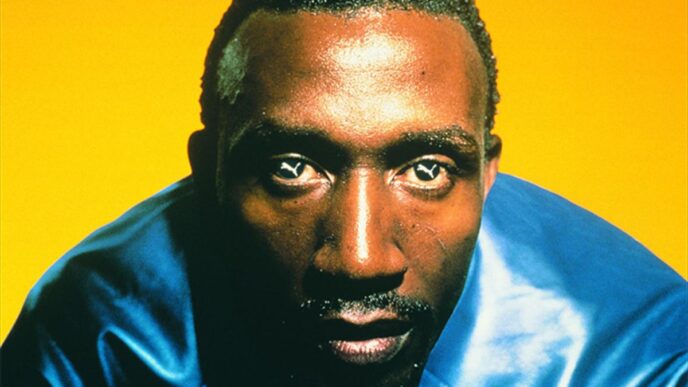
Enter Linford Christie, Britain’s sprinting star. Days before competing, he lifted his sunglasses at a press conference and revealed striking navy blue contact lenses with the Puma logo. Cameras clicked instantly, and the image traveled worldwide.
Ambush Marketing at Its Boldest
Christie’s lenses weren’t about better vision — they were about sharper branding. Puma hijacked Olympic attention without paying the official sponsorship fee. As a result, Reebok’s expensive partnership faced an unexpected rival moment.
For Reebok, it felt like sabotage. For Puma, it was priceless exposure. And for Christie, the move cemented his place as a rule-bender in both sport and culture.

The “Banned” Myth of Linford Christie’s Puma Contact Lenses
The controversy came from Rule 40 of the Olympic Charter, introduced in 1991 to protect official sponsors. This rule restricted athletes from using their image or performance for advertising by non-sponsor brands during the Games. By wearing lenses with the Puma logo while Reebok held exclusive Olympic rights, Christie openly challenged that protection.

Legacy: From 1996 to Now
Nearly three decades later, Christie’s Puma contact lenses remain a cultural flashpoint. The stunt foreshadowed today’s tactics, where athletes and brands push boundaries through NBA tunnel fits, hidden sneaker Easter eggs, or F1 helmet designs.
In sneaker culture, the lesson is clear: visibility is power. The smallest detail, if worn at the right moment, can disrupt an entire sponsorship ecosystem.
Looking Forward: The Enduring Lesson of Christie’s Lenses
Linford Christie didn’t take Olympic gold in Atlanta, but he earned a place in marketing history. For brands, his lenses are a case study in creative disruption. For athletes, they illustrate the ongoing struggle between personal identity and corporate control. And for sneaker culture, they prove that even a contact lens can become iconic.
Follow Sneakerize.gr On Instagram
Like Sneakerize.gr On Facebook
Follow Sneakerize.gr On Twitter